Local SEO Ranking Factors: What Actually Determines Local Search Rankings

Local SEO Ranking Factors Local Search Rankings Bowling Green KY Nashville TN Lift SEO Services

Local SEO Ranking Factors: What Actually Determines Local Search Rankings
Lift SEO Services · Updated July 2026 · 9 min read
Local SEO Ranking Factors Local Search Rankings Bowling Green KY Nashville TN Lift SEO Services

Local SEO ranking factors are the signals Google, and increasingly AI Overviews and LLMs, use to decide which businesses to show for a local search. They range from your Google Business Profile and reviews to citations, on-page signals, links, and how real searchers behave once they find you. Here’s what actually moves the needle, and what’s changed now that AI is part of the equation.

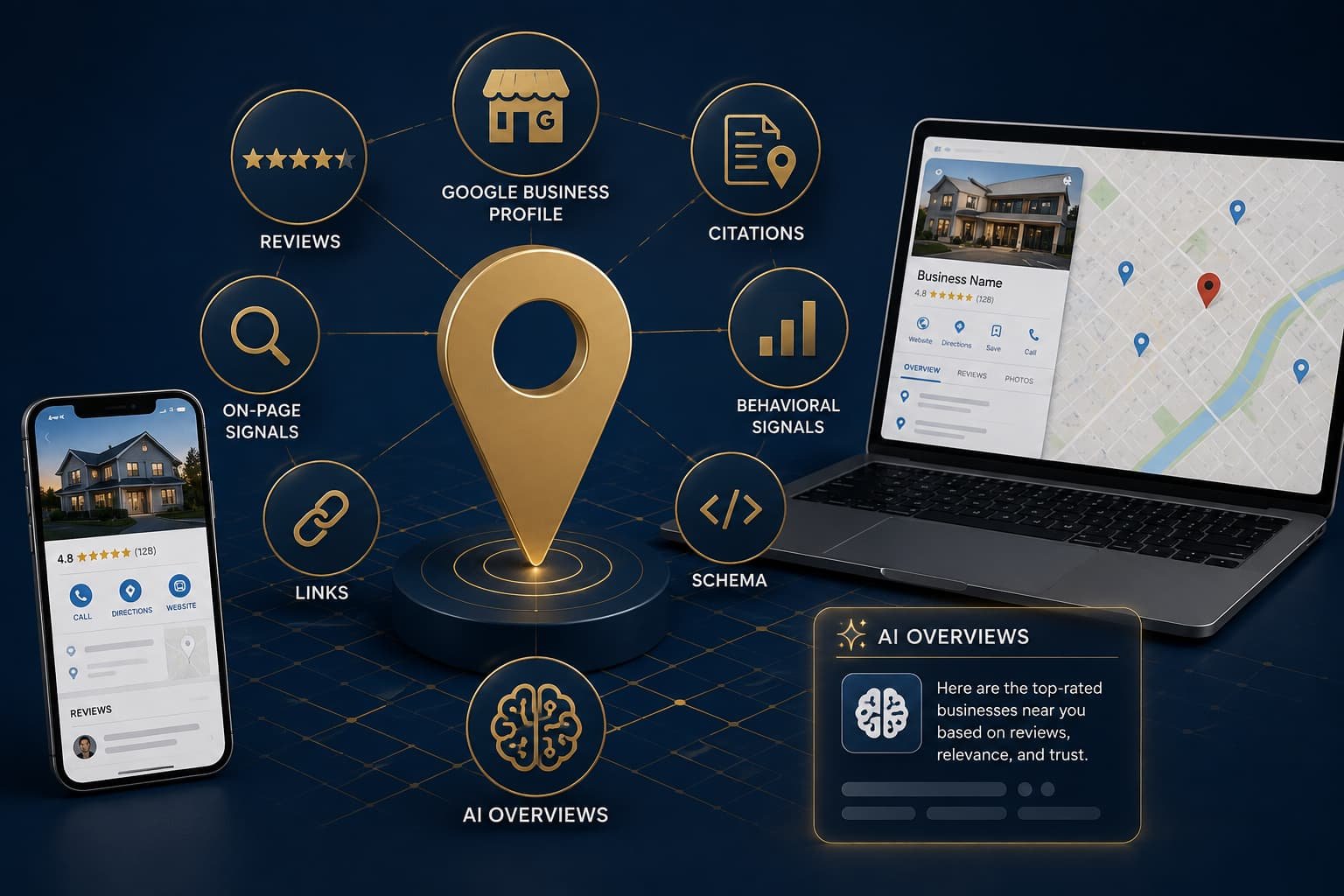
TL;DR: Google’s local ranking algorithm officially runs on three factors: relevance, distance, and prominence. In practice, prominence is built from dozens of underlying signals, your Google Business Profile completeness, review quantity and quality, citation consistency, on-page and website signals, backlinks, behavioral signals like clicks and calls, and structured data. AI Overviews and LLM assistants now draw on many of these same signals, plus how consistently your business’s facts appear across the web, to decide who they recommend.

45%
of consumers now use AI tools for local business recommendations, up from 6% in 2025
Source: BrightLocal, 2026
68%
of consumers require at least 4 stars before they’ll use a business
Source: BrightLocal, Local Consumer Review Survey, 2026
74%
of consumers only weigh reviews written in the last three months
Source: BrightLocal, Local Consumer Review Survey, 2026

What Are Local SEO Ranking Factors?

Local SEO ranking factors are the signals search engines use to decide which businesses to show, and in what order, for a search with local intent: “[service] near me,” “[service] in [city],” or a plain “[service]” search where Google already knows the searcher’s location. Google states its own framework plainly: local ranking comes down to relevance, distance, and prominence.

  • Relevance: how well your Business Profile and website match what the searcher is looking for
  • Distance: how far your business, or your service area, is from the searcher or the location they specified
  • Prominence: how well-known your business is, both on Google and across the web

Distance is largely outside your control, you can’t move your business closer to every searcher. Relevance and prominence, on the other hand, are built from dozens of specific, controllable signals, which is what the rest of this guide breaks down.

It helps to think of these factors working together rather than in isolation. A plumber with a perfectly optimized Google Business Profile but zero reviews will struggle to outrank a well-reviewed competitor with a thinner profile, because prominence is doing most of the work in a crowded local pack. Likewise, a business with excellent reviews but an incomplete profile or inconsistent citation data can lose ground to a less-established competitor simply because Google can’t confirm the basics confidently enough. The businesses that consistently win local visibility treat all of these factors as one connected system, not a checklist to complete once and forget.

Google Business Profile: The Foundation of Local Ranking Factors

Your Google Business Profile (still often called GMB, Google My Business, its former name) is the single biggest lever for local ranking factors, because it’s what most directly populates the local pack and Google Maps. A complete, accurate, actively maintained profile signals both relevance and prominence at once.

Categories, Attributes, and Photos

The single most accurate primary category, plus every relevant secondary category, tells Google exactly what you do and who you should rank for. Attributes add further specificity, “wheelchair accessible,” “online estimates,” “women-owned,” whatever genuinely applies, and real, current photos of your team, location, and completed work support both relevance and the trust signals that feed prominence. See our Google Business Profile optimization guide for the full checklist.

Posts, Q&A, and Ongoing Activity

Google Business Profile isn’t a set-it-and-forget-it listing. Regular Posts (offers, updates, announcements), an actively monitored Questions & Answers section, and a complete Products or Services list all signal to Google that the profile is maintained by a real, active business, and they give both searchers and AI tools more specific content to match against a query. A profile that hasn’t been touched in over a year sends a weaker signal than one with recent activity, even if the underlying business details haven’t changed. Seed your own Q&A section with the questions customers actually ask, so the answer is already there and accurate instead of left to a stranger’s guess.

Reviews and Review Signals

Review count, average rating, recency, and how you respond all factor into prominence, and they shape whether a searcher actually converts once they find you. Consumer expectations have climbed sharply: 68% of consumers now require at least 4 stars before they’ll use a business, and star-rating thresholds have risen year over year as AI-assisted research makes it easier for consumers to compare businesses quickly.

Review Velocity and Recency

Recency matters as much as volume. 74% of consumers only weigh reviews written in the last three months, which means a business with 200 reviews from three years ago and none since can lose ground to a newer competitor with fewer, fresher reviews. A simple, repeatable process for asking happy customers for a review right after a completed job or appointment, paired with responding to every review, positive and negative, within a few days, does more for this signal than any single tactic.

Review platforms beyond Google matter too, especially Yelp for consumer-facing businesses and industry-specific platforms for fields like healthcare (Healthgrades, WebMD) or home services (Angi, HomeAdvisor). Google doesn’t treat every platform equally, its own reviews carry the most direct weight for local pack ranking, but a business with strong, consistent ratings across multiple platforms builds a broader trust signal that both AI tools and cautious customers pick up on when they’re cross-checking a business before reaching out. Responding to negative reviews professionally, without getting defensive, also matters more than it might seem: it’s often the first thing a prospective customer reads when deciding whether to trust you despite an imperfect rating.

Local Citations and NAP Consistency

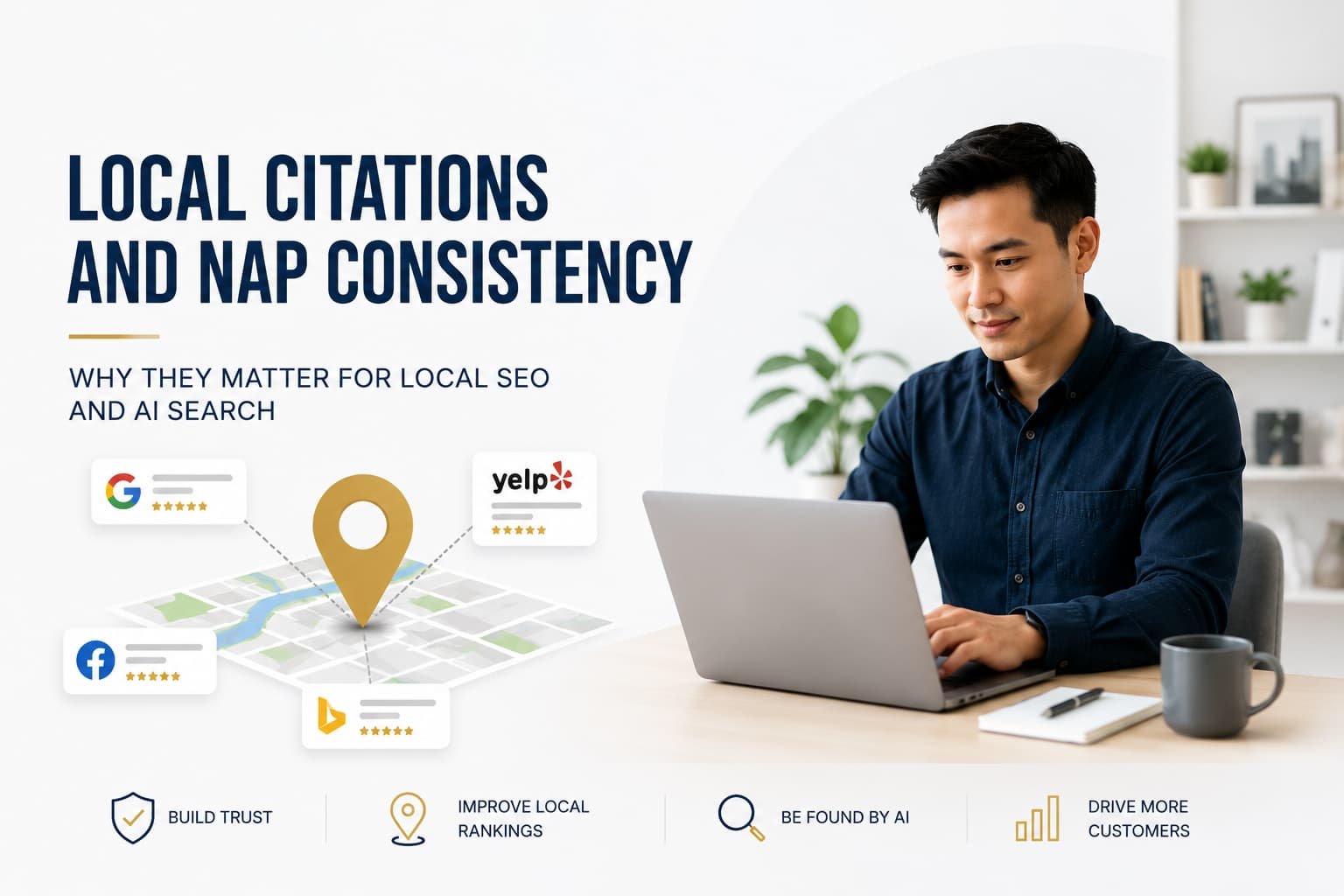
A citation is any online mention of your business name, address, and phone number (NAP), and consistency across every citation is a foundational trust signal for both Google’s local algorithm and AI search tools. Citations have declined somewhat as a pure local-pack ranking factor over the years as Google leans more on behavioral and profile signals, but they’ve taken on renewed importance for AI visibility: mentions and citations function as “the new link” in AI SEO, and a majority of top AI visibility factors are citation-related. This topic has enough depth to deserve its own breakdown, including how structured citations function as semantic triples that help LLMs verify and cite your business confidently, see Local Citations and NAP Consistency: Why They Matter for Local SEO and AI Search for the full guide. The short version: audit your existing citations before building new ones, and make sure every listing, from major data aggregators down to niche industry directories, matches your Google Business Profile exactly.

On-Page and Website Signals for Local SEO

Your website still matters as a ranking factor. On-page signals for local search include your city and service area named naturally in page titles, headings, and body copy, a dedicated page for each service you offer, your NAP repeated consistently in the footer of every page, and content that clearly and specifically describes what you do and where you operate. A generic homepage that never mentions a location or specialty makes it harder for both Google and AI-driven answer engines to confidently match you to a local search.

Local Landing Pages and Location Pages

A business serving multiple cities or a defined service area benefits from a dedicated landing page per location or service, rather than one page trying to rank for everything. Each page should include locally specific content, not a copy-pasted template with the city name swapped out, since thin, duplicated location pages tend to underperform and can even work against you. Real local detail, neighborhoods served, local landmarks, project photos from that specific area, gives both search engines and readers something genuine to work with instead of a template that could describe any city in the country.

Site Speed, Mobile-Friendliness, and Technical SEO

A slow-loading or hard-to-use-on-mobile website works against every other local SEO effort, since most local searches happen on a phone and a frustrating experience sends visitors right back to the search results. Fast load times, a mobile-responsive design, working internal links, and clean, crawlable site structure are table stakes rather than differentiators at this point, but a site that’s neglected them can quietly undercut the impact of otherwise-strong local ranking factors. A basic technical check, page speed, broken links, mobile usability, is worth revisiting periodically even if it isn’t the most exciting part of local SEO.

Backlinks remain a ranking factor for local SEO, but the most valuable ones tend to be locally relevant rather than simply high-authority: a mention from the local Chamber of Commerce, a sponsorship or event write-up from a community organization, a feature from a local news outlet, or a link from an industry association specific to your field.

Sponsoring a local event, joining your Chamber of Commerce, contributing expertise to a local news story, or partnering with complementary (non-competing) local businesses for cross-promotion all tend to earn the kind of locally relevant links that support both traditional rankings and the topical, geographic signals AI tools look for when deciding who to recommend. A few approaches that consistently work: offering a genuine expert quote when a local reporter is looking for a source, sponsoring a youth sports team or community fundraiser that naturally lists sponsors on its own site, getting listed on your local Chamber of Commerce or Better Business Bureau member directory, and building simple co-referral relationships with businesses that serve the same customers without competing directly, a roofer and a gutter company, for example, or a dentist and an orthodontist. Volume matters less here than relevance: a handful of genuinely local, genuinely earned links outperforms a large batch of generic, non-local backlinks.

Behavioral Signals: Clicks, Calls, and Direction Requests

Google Business Profile Insights tracks how customers found you and what they did next: calls, direction requests, website clicks, and whether they came from a direct, discovery, or branded search. These behavioral signals feed back into prominence over time, a profile that consistently earns clicks and calls looks more trustworthy than one that gets impressions but no engagement. This is also why a complete, appealing profile (photos, accurate hours, a clear description) matters beyond raw completeness, it directly affects whether people act once they see you.

You can influence these signals more directly than it might seem. A profile with a clear, working click-to-call button, accurate hours (especially on holidays, when out-of-date hours are a common source of lost calls), and photos that actually show your work rather than generic stock imagery all make it easier for a searcher to take the next step instead of bouncing back to the results page. Keeping your Products or Services list current and your description specific about what you actually do, rather than generic marketing language, reduces the odds someone clicks through expecting something you don’t offer, which hurts engagement quality even when it doesn’t hurt raw click volume.

Schema Markup and Structured Data

LocalBusiness or Service schema markup on your website spells out your NAP, category, service area, and hours in a format search engines and LLMs are both built to parse directly, reinforcing the same facts your citations already establish. It doesn’t replace the underlying content and citation work, but it removes ambiguity for machines trying to confirm what your business is and where it operates, which supports both classic local pack rankings and AI-driven visibility.

Beyond the core LocalBusiness fields (name, address, phone, hours, priceRange, service area), a few additional schema types are worth adding as they apply: Review or AggregateRating schema so your star rating can display directly in search results, FAQPage schema on pages with a genuine FAQ section (like the one on this page), and Service schema for individual service pages so each one clearly states what it covers. None of this is difficult to implement once, and it’s the kind of one-time technical investment that keeps paying off as AI tools increasingly parse structured data directly rather than inferring facts from unstructured page text.

How AI Overviews and LLMs Are Reshaping Local Ranking Factors

AI Overviews and LLM-based assistants (ChatGPT, Gemini, Perplexity, Google’s AI Mode) are quickly becoming a mainstream way people find and vet local businesses. 45% of consumers now use AI tools for local business recommendations, up sharply from just 6% in 2025, and AI has become the third most-used tool for local business recommendations overall, behind only Google and Facebook, and ahead of Yelp and TripAdvisor.

The underlying signals haven’t changed as much as the interface has. AI tools still lean on the same foundation: your Google Business Profile, your reviews, your citations, and how clearly your website and schema markup describe your business. What’s different is how much they reward consistency and corroboration across independent sources before they’re willing to state a fact confidently.

That shift also changes what “ranking” even means. A local pack listing is a single, ordered result set, you’re either in the top three or you’re not. An AI Overview or a chatbot answer is a synthesized recommendation, and a business can be mentioned, described accurately, and recommended even without holding the literal number-one organic position, provided the underlying signals (profile completeness, review sentiment, consistent citations, structured data) give the AI enough confidence to name you. That’s good news for smaller, well-optimized local businesses that may never outrank a national chain on price or scale, but can absolutely earn a confident, specific AI recommendation by being the most clearly documented, most consistently described option in their area.

Semantic Triples and Structured Citations

This is where citation consistency and structured data stop being a “nice to have” and start being the mechanism AI visibility runs on. A structured citation, a directory listing with your name, address, and phone number in labeled fields, is functionally already a semantic triple: a business paired with a specific, verifiable attribute and value. When that same triple appears identically across dozens of independent citations and your own site’s schema markup, an LLM has exactly the kind of corroborating evidence it needs to cite your business with confidence. See the full breakdown in Local Citations and NAP Consistency. This is part of why optimizing for LLMs and traditional search engines is one connected local SEO offering at Lift SEO Services rather than two separate projects, see AEO, GEO, and SEO for more on how we approach AI-driven search alongside traditional Google results.

Local SEO Ranking Factors Checklist

A short, practical starting point for working through the factors above in order of typical impact:

  • Claim and fully complete your Google Business Profile: accurate primary and secondary categories, all applicable attributes, current hours, and real photos
  • Post to your Google Business Profile regularly and keep your Products/Services list and Q&A section current
  • Build a repeatable process for asking every satisfied customer for a review, and respond to every review within a few days
  • Audit your existing citations for NAP consistency before building any new ones
  • Make sure every page on your site names your service area and specific services clearly, not just your homepage
  • Add a dedicated, genuinely local landing page for each city or service area you serve, if you serve more than one
  • Check your site’s mobile experience and load speed, since most local searches happen on a phone
  • Pursue a handful of genuinely local backlinks (Chamber of Commerce, local press, community sponsorships) rather than a large volume of generic ones
  • Add LocalBusiness or Service schema markup, plus Review and FAQPage schema where applicable
  • Keep every one of these consistent and current over time, local SEO rewards ongoing maintenance, not a one-time setup

Want to Know Where You Actually Stand on These Factors?

We’ll show you exactly how your Google Business Profile, reviews, citations, and site signals compare, in traditional search and in AI answers, no obligation.

Frequently Asked Questions

What are the three primary ranking factors for local SEO?

Google states its local ranking framework as three factors: relevance (how well your profile matches the search), distance (how close you are to the searcher), and prominence (how well-known and well-reviewed your business is). Prominence is where most controllable ranking factors, like reviews, citations, and links, actually live.

What is the most important local SEO ranking factor?

Your Google Business Profile has the single biggest impact, since it directly populates the local pack and Google Maps. A complete, accurate, actively maintained profile influences relevance and prominence at the same time, and it’s also the primary source AI Overviews and LLMs pull from for local recommendations.

How do reviews affect local search rankings?

Review count, average rating, and recency all factor into prominence, and they directly affect whether a searcher converts once they find you. 68% of consumers now require at least 4 stars before using a business, and 74% only weigh reviews written in the last three months, so both volume and freshness matter.

Does NAP consistency still matter for local SEO?

Yes, and it matters for a second reason now too. Consistent NAP data across citations remains a core local pack ranking signal, and it’s also become one of the clearest ways AI Overviews and LLMs verify and confidently cite a business. See our full guide on local citations and NAP consistency for more.

How much does proximity affect local search results?

Distance is one of Google’s three core local ranking factors and it’s largely outside your control, you can’t move your business closer to every searcher. What you can control is making sure your service area and address data are accurate and complete, so Google can match you correctly to searchers within your actual reach.

Is SEO dead now that AI Overviews and LLMs exist?

No. AI Overviews and LLM assistants still rely on the same underlying signals local SEO has always focused on, your Google Business Profile, reviews, citations, and website content, they’re just a new destination for that same work to pay off. Ignoring traditional local SEO would mean losing visibility in both places, not just one.

What are behavioral signals in local SEO?

Behavioral signals are the actions searchers take after finding your profile, calls, direction requests, and website clicks. Google Business Profile Insights tracks these, and a profile that consistently earns engagement, not just impressions, builds prominence over time.

Does Lift SEO Services optimize for all of these ranking factors?

Yes. Every local SEO engagement at Lift SEO Services covers Google Business Profile management, review strategy, citation and NAP consistency, on-page and schema work, and link signals, built to support traditional rankings and AI-driven visibility together rather than as separate projects.

What’s the difference between on-page and off-page local SEO factors?

On-page factors are the ones you control directly on your own website: page titles, service and city mentions, content depth, site speed, and schema markup. Off-page factors happen elsewhere: your Google Business Profile, reviews, citations, and backlinks. Both matter, and neither compensates fully for weakness in the other, a great website with no reviews or citations struggles just as much as a well-cited business with a thin, generic website.

How do I do a local SEO audit?

Work through the factors in this guide in order: check your Google Business Profile for completeness and accuracy, review your rating, volume, and recency across platforms, audit your top citations for NAP consistency, confirm your website clearly names your services and service area with reasonable site speed, and check whether you have basic LocalBusiness schema in place. The checklist above is a practical starting point, or we can run a full audit for you and show you exactly where you stand.

Lift SEO Services

Serving Bowling Green, KY, Nashville, TN, and surrounding areas

(615) 499-6013

Not ranking where your customers are searching?

Talk to our SEO specialist team. No obligation, no pressure.
HC

Written by Heather Cumens at Lift SEO Services

Bowling Green, KY, serving healthcare and home service businesses across Kentucky and Nashville, TN.

Local Citations and NAP Consistency: Why They Matter for Local SEO and AI Search

local citations and nap consistency lift seo services bowling green ky nashville tn

Local Citations and NAP Consistency: Why They Matter for Local SEO and AI Search

Lift SEO Services · Updated July 2026 · 9 min read
local citations and nap consistency lift seo services bowling green ky nashville tn

A local citation is any online mention of your business name, address, and phone number, and getting that information consistent everywhere is one of the oldest local SEO fundamentals there is. It’s also becoming one of the most important signals for a newer problem: helping LLMs and AI Overviews find, trust, and correctly recommend your business.

TL;DR: A local citation is any mention of your business’s name, address, and phone number (NAP) on a directory, platform, or data aggregator. Consistency across every citation, matching your Google Business Profile exactly, is what builds trust with both Google’s local algorithm and AI search tools. Structured citations, the kind stored as discrete labeled fields rather than a plain-text mention, function like semantic triples: machine-readable facts that LLMs can read, verify, and cite confidently when someone asks an AI assistant for a local recommendation.

80% of consumers lose trust in a business after seeing incorrect or inconsistent contact details online Source: BrightLocal, Local Citations Trust Report, 2026
68% would stop using a business after finding incorrect information on a directory listing Source: BrightLocal, Local Citations Trust Report, 2026

What Are Local Citations?

A local citation is any online mention of your business name, address, and phone number, commonly shortened to NAP. That mention can live on a general directory like Yelp, an industry-specific listing, a data aggregator, the local Chamber of Commerce, a review platform, or a map service. Your Google Business Profile is technically a citation too, and the most important one, since it feeds directly into the Google local pack and Google Maps.

Citations do two jobs at once. For search engines, a large, consistent set of citations is a trust signal: if dozens of independent sources agree on your business’s name, address, and phone number, that agreement is hard to fake, and Google treats it as evidence your business is legitimate and correctly located. For AI Overviews and LLM-based assistants, that same consistency is what makes it safe to cite your business by name in an answer, more on that below.

Structured vs. Unstructured Citations

Not every citation is built the same way, and the distinction matters for both traditional SEO and AI visibility.

Structured vs. Unstructured Local Citations
FactorStructured CitationUnstructured Citation
FormatDiscrete, labeled fields (Name field, Address field, Phone field)Free-text mention inside an article, review, or press piece
Where it livesBusiness directories, data aggregators, GBP, Yelp, industry listingsNews articles, blog posts, social media mentions, forum posts
Machine readabilityHigh, easy for search engines and LLMs to parse and verifyLower, requires natural language understanding to extract
Best forEstablishing verifiable, consistent NAP data at scaleBuilding brand awareness and topical relevance
Relationship to semantic triplesFunctionally already triple-shaped (entity, attribute, value)Not inherently structured, though schema markup can add structure

Both types have value, but structured citations are the ones doing the heavy lifting for local pack rankings and for AI search visibility, since they’re the easiest for a machine to confidently read.

Why NAP Consistency Is the Foundation of Local Citations

Consistency matters more than volume. If your phone number is formatted one way on your website, another way on Yelp, and a third way on an industry directory, every system reading that data, human or machine, has to guess which version is correct. That uncertainty weakens trust in your listings across the board.

The consumer research backs this up directly: 80% of people lose trust in a business after seeing incorrect or inconsistent contact details online, and 68% say they’d stop using a business after finding incorrect information on a directory listing. Before building new citations, audit and correct the ones you already have. A short, accurate list of citations that all match your Google Business Profile exactly will consistently outperform a long list full of conflicting information.

How Local Citations Affect Your Local SEO Rankings

Citations have been a foundational local ranking factor for years, and recent industry research shows their role is shifting rather than disappearing. Whitespark’s 2026 Local Search Ranking Factors Report found that citation consistency has slipped somewhat as a weight in the traditional Google local pack algorithm compared to previous years. At the same time, the same report flags renewed importance for citations in a different context: AI search visibility, where the report describes mentions and citations as “the new link,” noting that three of the top five ranking factors for AI visibility are citation-related.

In practical terms, that means citations haven’t gotten less important, they’ve become important for a second reason. A clean, consistent citation profile still supports your local pack and Maps rankings, and it’s now also one of the clearest ways to earn visibility in AI Overviews and LLM-generated local recommendations.

Semantic Triples: How Structured Citations Help LLMs Understand Your Business

A semantic triple is a simple way of representing a fact as three parts: a subject, a predicate, and an object, for example, [Your Business]has phone number(615) 499-6013. This is the underlying structure behind knowledge graphs, schema.org markup, and increasingly, how LLMs assemble a confident answer about a local business. It’s also, not coincidentally, exactly what a structured citation already is: a business name paired with a specific, labeled attribute and value.

When your NAP data is identical across every structured citation, Google Business Profile, Yelp, industry directories, data aggregators, and your own website’s schema markup, you’re effectively publishing the same set of semantic triples in dozens of independently verifiable places. That redundancy is exactly what an AI system looks for before it’s willing to state a fact confidently: if ten independent sources agree your business is at the same address with the same phone number, an LLM can cite that information with much higher confidence than if it only has one unverified mention to go on.

NAP as a Semantic Triple

Concretely, a well-built citation profile is already producing structured facts like these, repeated consistently everywhere your business is listed:

  • [Business Name]hasAddress[Street, City, State, ZIP]
  • [Business Name]hasTelephone[Phone Number]
  • [Business Name]hasCategory[Primary Service or Specialty]
  • [Business Name]servesArea[City or Region]

Pairing that consistency with LocalBusiness or Service schema markup on your own website reinforces the same triples in a format search engines and LLMs are both built to parse directly, which is part of why optimizing for LLMs and traditional search engines is one connected local SEO offering at Lift SEO Services rather than two separate projects. See AEO, GEO, and SEO for more on how we approach AI-driven search alongside traditional Google results, and our Local SEO for Small Business page for how citation work fits into a full local SEO engagement.

Where to Build and Manage Local Citations

Start with the citation that matters most: your Google Business Profile, since it’s the primary source both Google’s local algorithm and AI Overviews pull from. From there, prioritize the handful of broad, high-authority general directories (Yelp, Apple Maps, Bing Places, Facebook), the major data aggregators that redistribute your NAP data to dozens of smaller sites automatically, and any directory specific to your industry (healthcare-specific directories for medical practices, trade-specific directories for home service businesses).

Citation Management Tools and Data Aggregators

A handful of established tools exist specifically to help businesses build and monitor citations at scale, among them Moz Local, BrightLocal, Whitespark, and Yext. Each takes a slightly different approach (citation building, citation tracking and auditing, or direct data aggregator distribution), but the goal is the same: get consistent NAP data into as many verifiable, structured places as possible, and catch inconsistencies before they spread further.

How to Do a Local Citation Audit

  1. Search your business name and phone number to surface citations you may not know exist, including old or duplicate listings.
  2. Compile every citation you find into a single list, noting the exact name, address, and phone number shown on each one.
  3. Compare each listing against your Google Business Profile, since that should be your source of truth for NAP formatting.
  4. Flag every inconsistency, a missing suite number, an old phone number, an abbreviated street type, anything that doesn’t match exactly.
  5. Correct or claim each listing, prioritizing your highest-authority citations first (Google, major aggregators, industry-specific directories).
  6. Remove or merge duplicate listings rather than leaving both live, duplicates create the exact inconsistency you’re trying to eliminate.

Fixing and Preventing NAP Inconsistencies

  • Pick one exact NAP format (including abbreviations like “St.” vs. “Street”) and use it everywhere, starting with your Google Business Profile
  • Audit existing citations before building new ones, fixing what’s wrong outweighs adding more volume
  • Correct old addresses and phone numbers immediately after a move or number change, across every listing, not just your website
  • Remove or merge duplicate listings rather than leaving multiple versions live
  • Add matching LocalBusiness or Service schema markup to your website so your own site reinforces the same NAP data
  • Re-check your top citations periodically, data aggregators occasionally reintroduce outdated information
  • Keep a single internal record of your official NAP format so anyone updating listings uses the same source of truth

Local Citations for Multi-Location and Service-Area Businesses

Citation management gets more complex once more than one location or provider is involved. A healthcare practice with multiple providers, or a home service business covering several cities, needs every location or service area represented accurately and separately, without letting listings blur together or duplicate. Manage every location through one account rather than scattered individual logins, and keep category and NAP formatting consistent across locations even as service area and contact details change per site. See Healthcare SEO Services and SEO for Home Service Businesses for guidance specific to each vertical, and what local SEO is and why it matters for healthcare and home service businesses for the fundamentals this article builds on.

Not Sure How Consistent Your Citations Are?

We’ll audit your NAP data across your top citations and show you exactly what’s inconsistent, no obligation.

Frequently Asked Questions

What are local citations in SEO?

A local citation is any online mention of your business name, address, and phone number, on directories, industry listings, data aggregators, or your Google Business Profile. Consistent citations help both search engines and AI tools trust and correctly represent your business.

What does NAP consistency mean, and why does it matter?

NAP consistency means your business name, address, and phone number are formatted identically everywhere they appear online. It matters because mismatched information erodes trust, 80% of consumers lose trust in a business after seeing incorrect or inconsistent contact details, and it makes it harder for Google and AI tools to confidently verify your business.

What’s the difference between structured and unstructured citations?

A structured citation stores your NAP data in discrete, labeled fields, like a directory listing or your Google Business Profile, making it easy for machines to read and verify. An unstructured citation is a free-text mention, like a news article referencing your business by name, which is harder for automated systems to parse precisely.

What are semantic triples, and how do they relate to local citations?

A semantic triple represents a fact as a subject, predicate, and object, for example, a business paired with its phone number. A structured citation is already shaped like a semantic triple. When the same NAP triples appear consistently across many independent citations, LLMs and AI Overviews can verify and cite that information with much higher confidence.

How do local citations affect AI Overviews and LLM search results?

AI Overviews and LLM-based assistants look for corroborating, consistent facts before confidently recommending a business. A wide, consistent set of structured citations gives them exactly that, according to Whitespark’s 2026 ranking factors research, citation-related signals now make up three of the top five factors in AI search visibility.

Where should I build citations first?

Start with your Google Business Profile, since it’s the primary source Google’s local algorithm and AI Overviews both pull from. From there, prioritize major general directories, the data aggregators that redistribute NAP data automatically, and any directory specific to your industry.

How do I run a local citation audit?

Search your business name and phone number to surface every existing citation, compile the results into a list, compare each one against your Google Business Profile, flag every inconsistency, and correct or merge listings starting with your highest-authority citations.

Does Lift SEO Services manage citations and NAP consistency as part of local SEO?

Yes. Citation auditing and NAP consistency are part of every local SEO engagement at Lift SEO Services, built alongside schema markup and Google Business Profile management so your business is represented identically everywhere, for traditional search engines and for LLMs and AI Overviews.

Lift SEO Services

Serving Bowling Green, KY, Nashville, TN, and surrounding areas

(615) 499-6013

HC

Written by Heather Cumens at Lift SEO Services

Bowling Green, KY, serving healthcare and home service businesses across Kentucky and Nashville, TN.

Not ranking where your customers are searching?

Talk to our SEO specialist team. No obligation, no pressure.
Local SEO and Google Business Profile: The Complete Optimization Guide

Local SEO and Google Business Profile The Complete Optimization Guide Lift SEO Services Bowling Green KY Nashville TN

Local SEO and Google Business Profile: The Complete Optimization Guide

Lift SEO Services · Updated July 2026 · 9 min read
Local SEO and Google Business Profile The Complete Optimization Guide Lift SEO Services Bowling Green KY Nashville TN

Google Business Profile (still widely searched for under its old name, Google My Business) is the single biggest lever a small business has for local SEO. This guide covers everything from setup to advanced optimization, reviews, service areas, and how the same profile now feeds AI search results too.

TL;DR: Google Business Profile (formerly Google My Business) is the free listing that controls whether your business shows up in the Google local pack, Google Maps, and increasingly, AI Overviews and LLM answers. Optimizing it means filling out every field completely, choosing the right categories, adding real photos, posting regularly, and actively managing reviews. It’s one part of local SEO, not the whole strategy, but it’s the part with the biggest immediate impact for a small business.

+42% more requests for directions on profiles that include photos Source: Google Business Profile Help
+35% more website clicks on profiles that include photos Source: Google Business Profile Help

What Is Google Business Profile (Formerly Google My Business)?

Google Business Profile is the free tool that controls how your business appears across Google Search and Google Maps: your name, address, phone number, hours, category, photos, reviews, and posts. If your business shows up on the right side of a Google Search result with a map, star rating, and “Call” or “Directions” button, that’s your Google Business Profile.

Why Google Renamed Google My Business to Google Business Profile

In 2021, Google retired the standalone Google My Business app and rebranded the product as Google Business Profile. Profiles are now managed directly from Google Search and Google Maps, or through Business Profile Manager, rather than a separate app. Both names still get searched constantly, and both refer to the same underlying listing, so this guide uses them somewhat interchangeably, the way most business owners actually search for the topic.

How Google Business Profile Powers Local SEO

Local SEO is the broader discipline. Google Business Profile is the single most influential piece of it. Google’s local ranking algorithm weighs three main factors when deciding which businesses to show for a local search:

  • Relevance: how well your profile and website match what the searcher is looking for
  • Distance: how close your business (or your service area) is to the searcher or the location they specified
  • Prominence: how well-known and well-reviewed your business is, both on Google and across the web

The Google Local Pack and Map Pack Explained

The “local pack” (sometimes called the map pack) is the block of three business listings, with a map, that appears above regular search results for local queries. It’s built almost entirely from Google Business Profile data. A business with an incomplete or unclaimed profile is rarely eligible to appear there, no matter how good its website is.

Is Google Business Profile Free?

Yes. Creating, claiming, and optimizing a Google Business Profile costs nothing, there’s no fee to Google for any part of it. What people are often really asking is one of two different things:

Free: Organic Optimization

Filling out your profile, adding photos, posting updates, and earning reviews doesn’t cost anything except time. This is what most of this guide covers.

Paid: Local Services Ads

Google also sells paid placements above the organic local pack (Local Services Ads and Google Ads). Those are a separate, paid product from your free Business Profile listing, and worth budgeting for separately if you use them.

If you’re paying an agency or freelancer, you’re paying for their time and expertise managing the free listing well, not for the listing itself. See the cost breakdown on our Local SEO for Small Business page for typical monthly investment ranges.

How to Claim and Set Up Your Google Business Profile

  1. Search for your business on Google to see if a profile already exists (sometimes Google auto-generates one from third-party data).
  2. Claim or create the profile at google.com/business, using an email address your business controls, not a personal freelancer or agency account you might lose access to later.
  3. Verify your business. Google typically verifies by postcard, phone, email, or video, depending on your business type and category.
  4. Fill out every available field before publishing: category, hours, phone, website, service area or address, and business description.
  5. Add your team as managers if more than one person needs access, rather than sharing a single login.
Set up a new google business profile lift seo services bowling green ky nashville tn

Google Business Profile Optimization Checklist

Once your profile is verified, optimization is about completeness and consistency. Here’s what to work through, roughly in order of impact:

Categories and Attributes

Choose the single most accurate primary category, then add every relevant secondary category. Attributes (like “wheelchair accessible,” “free estimates,” or “women-owned”) add further detail that helps Google match your profile to specific searches, and they show up directly on your listing for searchers to see.

Services and Business Description

List every service you actually offer, not just a headline description. The business description field is a chance to naturally include your service area and specialties in plain language, written for people, not stuffed with keywords.

Photos

Add real, current photos: the exterior and interior, your team, vehicles or equipment, and completed work. As the stats above show, profiles with photos get meaningfully more direction requests and website clicks. Update photos periodically rather than uploading once and never returning.

Posts

Google Business Profile Posts work similarly to a short social media update: a promotion, a new service, a seasonal reminder, or a recent project. Posts don’t carry the reach of a dedicated social platform, but they signal an active, maintained profile, which supports local rankings, and they give searchers a reason to engage right there in the search result.

Service Areas

If customers come to you, use a physical address. If you go to customers (a common setup for home service businesses), set a service area instead of, or in addition to, a public address, and list every city or region you actually serve. An overly broad service area that doesn’t reflect where you really work can hurt relevance rather than help it.

Want Us to Audit Your Google Business Profile?

We’ll show you exactly what’s missing, no obligation.

Getting and Managing Google Reviews

Reviews affect both your local pack ranking and whether a searcher actually calls you. A simple, repeatable ask, at the moment a job or appointment wraps up, outperforms occasional bulk review campaigns. A few practical guidelines:

  • Ask in person or by text/email right after a positive interaction, while it’s fresh
  • Never offer payment or discounts in exchange for a review, this violates Google’s policies and can get reviews removed
  • Respond to every review, positive and negative, within a few days
  • For a negative review, respond calmly and professionally, acknowledge the concern, and move the specifics offline rather than arguing in public

How Google Business Profile Compares to Other Channels

Google Business Profile vs. Yelp

Google Business Profile vs. Yelp for Local SEO
FactorGoogle Business ProfileYelp
CostFreeFree basic listing, paid ads available
Where it shows upGoogle Search, Google Maps, local pack, AI OverviewsYelp app/site, sometimes surfaced in Google results
Direct SEO impactPrimary input to Google’s local pack rankingsIndirect, functions more as a citation and review source
ReviewsDirectly visible in Google search resultsVisible on Yelp, influential in some industries (restaurants, home services)
RecommendationRequired, optimize fullyWorth claiming and keeping accurate for citation consistency

Google Business Profile Posts vs. Social Media Posts

Posts on your Google Business Profile and posts on Instagram or Facebook serve different purposes. Social posts build a following and reach people who already know you. Google Business Profile Posts reach people actively searching for what you do, right at the moment they’re deciding who to call. They’re worth doing both, but don’t assume one replaces the other.

Local SEO vs. Organic SEO

Google Business Profile optimization is a local SEO tactic specifically, it doesn’t directly move your rankings for broad, non-local, organic search terms. The two disciplines overlap (a well-built website supports both) but they target different search results and different searcher intent. For a full breakdown of local versus national/organic SEO strategy, see our Local SEO for Small Business guide, or start from the fundamentals in what local SEO is and why it matters.

Google Business Profile for Service-Area Businesses

Plumbers, electricians, roofers, and HVAC companies typically don’t want customers showing up at a home office or warehouse, so Google Business Profile lets you hide your address and instead define a service area. Set this to reflect where you genuinely, reliably operate, a service area that’s too large relative to your actual footprint tends to dilute relevance for the areas that matter most. Category selection matters even more for service-area businesses since there’s no storefront to reinforce what you do. See SEO for Home Service Businesses, Plumber SEO Company vs. DIY, and Roofing SEO Company for more on this vertical.

Multi-Location and Healthcare Practice Profiles

A healthcare practice with multiple providers or locations needs a Google Business Profile strategy of its own: a profile for the practice itself, and in many cases, individual provider profiles as well, all kept consistent on NAP and category. Multi-location businesses should manage every location through one Business Profile account (never separate personal logins per location) and keep categories, hours, and descriptions consistent across every profile, while still localizing content like service area and photos per site. See Healthcare SEO Services, SEO for Doctors, and Medical SEO Company vs. In-House for healthcare-specific guidance.

Common Google Business Profile Mistakes to Avoid

  • Leaving the profile unclaimed, letting Google or a third party control what’s shown
  • Choosing an inaccurate primary category to try to rank for unrelated searches
  • Letting NAP (name, address, phone) drift out of sync with your website and citations
  • Buying or incentivizing fake reviews
  • Ignoring negative reviews instead of responding professionally
  • Setting an unrealistically large service area
  • Uploading a handful of photos once and never updating them
  • Sharing one login across an agency, staff, and past employees with no access control

Tracking Results with Google Business Profile Insights

Business Profile Manager includes built-in performance data: how customers found you (direct, discovery, or branded search), what actions they took (calls, direction requests, website clicks), and how your photos compare to similar businesses. Website traffic from your profile typically shows up in Google Analytics as a referral or direct session depending on how it’s tracked, so it’s worth checking both Business Profile Insights and your website analytics together rather than either one alone.

Google Business Profile and AI Search

The same profile data that feeds the Google local pack is also a primary source for AI Overviews and LLM-based answers (ChatGPT, Gemini, Perplexity) when someone asks for a local recommendation. A complete, accurate, well-reviewed Google Business Profile helps you get cited correctly in both. This is part of why optimizing for LLMs and traditional search engines is built into our local SEO offering at Lift SEO Services, rather than treated as a separate project. See AEO, GEO, and SEO for more on how we approach AI-driven local search.

Frequently Asked Questions

How do I do local SEO for my Google Business Profile?

Claim and verify your profile, choose accurate categories, fill in every field completely, add real photos, post updates regularly, and build a consistent flow of reviews. Pair that with matching NAP details across your website and citations for the biggest local SEO impact.

Can I optimize my Google Business Profile myself, or should I hire someone?

You can absolutely do the basics yourself: claiming the profile, filling in fields, and asking for reviews. Where a local SEO company typically adds value is consistency over time, category and attribute strategy, review response, and coordinating the profile with the rest of your website and citations.

Is Google Business Profile free?

Yes, creating and optimizing a Google Business Profile is free. Google separately sells paid placements like Local Services Ads and Google Ads, which are a different product from the free organic listing.

How much does Google Business Profile optimization cost if I hire help?

The listing itself is free, so any cost you pay covers a person’s or agency’s time managing and improving it. See our Local SEO for Small Business page for typical monthly local SEO pricing ranges.

What replaced Google My Business?

Nothing replaced it, Google renamed it. In 2021, Google My Business became Google Business Profile, and the standalone app was retired in favor of managing listings directly from Google Search and Google Maps.

Is Google Business Profile worth it for a small business?

Yes, for almost any business that serves local customers. It’s free, it’s the main input to the Google local pack, and it’s often the first thing a potential customer sees about your business before they ever visit your website.

Do Google Business Profile posts actually help SEO?

Posts alone are a minor ranking factor, but an actively maintained profile, which regular posting is part of, correlates with stronger local performance. Posts also give searchers something current and relevant to see right in the search result, which supports clicks and calls even if the direct ranking effect is modest.

Does Lift SEO Services optimize Google Business Profile for AI search too?

Yes. We build every Google Business Profile and local SEO engagement to support both traditional search engines and LLMs, since AI Overviews and AI assistants pull from the same profile, review, and citation signals that power the Google local pack.

Ready to Fix Your Google Business Profile?

Lift SEO Services builds and manages Google Business Profiles as part of a full local SEO strategy for healthcare practices and home service businesses. Let’s talk about what your profile is missing.

Lift SEO Services

Serving Bowling Green, KY, Nashville, TN, and surrounding areas

(615) 499-6013

Not ranking where your customers are searching?

Talk to our SEO specialist team. No obligation, no pressure.
HC

Written by Heather Cumens at Lift SEO Services

Bowling Green, KY, serving healthcare and home service businesses across Kentucky and Nashville, TN.

What Is a Local SEO, and Why It Matters for Healthcare and Home Service Businesses

What Is a Local SEO, and Why It Matters for Healthcare and Home Service Businesses Lift SEO Services Bowling Green KY Nashville TN
,

What Is a Local SEO, and Why It Matters for Healthcare and Home Service Businesses

Lift SEO Services · Updated July 2026 · 9 min read
What Is a Local SEO, and Why It Matters for Healthcare and Home Service Businesses Lift SEO Services Bowling Green KY Nashville TN

If you run a dental practice, an HVAC company, a plumbing business, or a medical clinic, you’ve probably heard the term “local SEO” thrown around by every marketing vendor who’s ever called your front desk. But what is local SEO, actually — and why does it get talked about differently than regular SEO?

Here’s the short version: local SEO is the set of strategies that help your business show up when someone nearby searches for what you do. For a healthcare practice or a home service business, that’s not a nice-to-have. It’s usually the single biggest driver of new patients or new jobs booked, because almost nobody searches “best dentist” — they search “dentist near me” or “dentist in [their city].”

This guide breaks down what local SEO actually is, how it’s different from general SEO, and where to start if you’re new to it.


Table of Contents

What Is Local SEO? 

Local SEO is the practice of optimizing your online presence so your business shows up in search results for people looking for your services in your specific area. That includes your Google Business Profile, your website’s service and location pages, your reviews, and the citations and backlinks that tell Google your business is a real, trustworthy, local operation.

When someone searches “emergency plumber Bowling Green KY” or “medical spa near me,” Google isn’t just trying to find a relevant business — it’s trying to find the closest, most trustworthy, most relevant business to that specific searcher. That’s the whole game of local SEO: proving to Google (and to the person searching) that you’re that business.

Local Search Engine Optimization in Simple Terms

In plain language: local SEO is search engine optimization aimed at your neighborhood instead of the whole country. Regular SEO asks “how do we rank for this topic anywhere?” Local SEO asks “how do we rank for this topic in the specific towns and neighborhoods we actually serve?” It’s a strategy that helps Google understand where a local business’s visibility should show up, using signals like your Google Business Profile, local citations, reviews, and location-specific content to connect your business’s visibility with the customers already searching nearby.

How Local SEO Is Different From Traditional SEO

General SEO and local SEO share a lot of DNA — both care about content quality, site structure, and backlinks. But they optimize for different outcomes, and mixing up the two is one of the most common mistakes healthcare and home service businesses make when they try to handle this in-house.

Local SEO vs. Traditional (National) SEO
Factor Local SEO Traditional / National SEO
Primary goal Rank in a specific city, region, or service area Rank nationally or globally for a topic
Where you show up Google Map Pack, local organic results, Google Maps Standard organic search results
Key ranking signals Google Business Profile, reviews, local citations, proximity to searcher Backlink authority, content depth, topical relevance
Content strategy City/service-area pages, local case studies, local backlinks Broad topic guides, national comparison content
Best fit for Practices and contractors with a physical service area E-commerce, SaaS, national brands, publishers

For a healthcare practice or a home service business, almost every dollar of SEO effort should be filtered through the local lens first. A beautifully written blog post that never mentions your service area is doing half the job.

Why Local SEO Matters More for Healthcare and Home Service Businesses

Not every industry needs local SEO equally. E-commerce brands and software companies often compete nationally. But healthcare and home services are about as “local” as a business can get, for a few specific reasons:

  • The searches are urgent. “Emergency AC repair” and “urgent care near me” are searches from people who need help today, not next month — and Google’s local results are built to answer exactly that kind of query.
  • “Near me” is the default. Very few people search “best HVAC company” without a location qualifier attached, whether they type it or Google infers it from their device.
  • Trust has to be established fast. Letting a stranger into your home or trusting a provider with your health are high-stakes decisions — reviews, ratings, and a complete online presence do a lot of that trust-building before the phone ever rings.
  • You can’t serve everyone, so you shouldn’t try to rank everywhere. Local SEO focuses your visibility on the exact radius you can actually service, instead of competing for impossible national rankings.

The Building Blocks of Local SEO

Local SEO isn’t one tactic — it’s several working together. Here’s what actually makes up a local SEO strategy.

Google Business Profile

Your Google Business Profile (formerly Google My Business) is the listing that shows up in the Map Pack and on Google Maps. It’s arguably the single most important local SEO asset you have, since it’s the first thing most searchers see and interact with — your hours, photos, services, and review score all live there.

What Is the Google Local Pack?

The “local pack” (sometimes called the “map pack”) is the block of three local business listings, complete with a map, that Google shows above the standard organic search results for searches with local intent. Getting into that local pack is one of the highest-value outcomes in local SEO, since it sits above nearly everything else on the page and pulls a disproportionate share of clicks. Ranking in the local pack depends on the same relevance, distance, and prominence signals that drive local rankings generally — a complete Google Business Profile, consistent citations, and strong reviews all play a role.

Local Citations & NAP Consistency

A “citation” is any online mention of your business Name, Address, and Phone number (NAP) — think Yelp, industry directories, the local Chamber of Commerce site, and dozens of others. Consistent, accurate citations across the web are one of the clearest trust signals Google uses to confirm you’re a legitimate local business.

Local SEO backlinks and local SEO link building work differently than general link building. Instead of chasing high-authority national publications, local link building prioritizes links from other businesses, organizations, and publications in your actual service area — local news coverage, sponsorships, chamber memberships, and partnerships with complementary local businesses.

On-Page Local Content

This is where dedicated service pages and location pages come in. A generic “Services” page tells Google almost nothing about where you operate. A page built around “AC Repair in Bowling Green, KY” tells Google exactly what you do and exactly where you do it — which is what lets you rank for the searches that actually convert.

Reviews & Reputation

Review volume, review recency, and your average star rating all factor into local rankings — and they factor even more heavily into whether a searcher actually calls you once they find you. A five-star Google Business Profile with 200 recent reviews beats a beautiful website with none, every time.

How Google Decides Which Local Businesses to Show in Search Results

Google has said publicly that local rankings come down to three main factors: relevance (how well your business matches what someone’s searching for), distance (how close you are to the searcher or the area they specified), and prominence (how well-known and well-reviewed your business is, both online and off). Local SEO is, in essence, the practice of improving all three.

Here’s why that’s worth taking seriously:

 
46% of all Google searches carry local intent — meaning the searcher wants a result near them Source: BrightLocal, via Search Engine Roundtable
42% of local searchers click a result in the Google Map Pack — often before scrolling to organic results Source: Backlinko, 2024
70% more likely to be visited when a business has a complete Google Business Profile Source: Google

Local SEO Ranking Factors at a Glance

Relevance, distance, and prominence are the three factors Google names publicly, but in practice, local SEO ranking factors break down into a handful of concrete signals worth tracking:

  • Google Business Profile completeness — categories, services, hours, photos, and posting activity
  • Review signals — volume, recency, average rating, and how a business responds to reviews
  • Citation consistency — accurate, matching business listings across the web
  • On-page local content — dedicated service and location pages that clearly state what you do and where
  • Local links — backlinks from other businesses, organizations, and publications in your actual service area
  • Proximity — how close your business is to the person searching, which you can’t control directly but can optimize around with location-specific pages

How to Find Local Keywords

A local keyword pairs what you do with where you do it — “emergency plumber Bowling Green KY” rather than just “emergency plumber.” To find local keywords worth targeting, start with your core services and combine each one with your city, neighborhood names, and nearby towns you actually serve. Google’s autocomplete and “related searches” both surface real local keyword variations, and a free keyword research tool can help confirm which versions get meaningful search volume before you build a page around one.

Don’t stop at your city name alone — searchers also use landmarks, ZIP codes, and neighborhood names, and building content around those local keywords can capture searches a competitor targeting only the city name entirely misses.

How to Perform a Local SEO Audit

Before investing further in local SEO, it’s worth auditing where you actually stand. A basic local SEO audit walks through five areas: confirm your Google Business Profile is fully complete and accurate, check NAP consistency across your top citation sources, review your website for dedicated service and location pages (versus one generic page trying to cover everything), assess your review volume and recency compared to local competitors, and check whether your core pages actually rank for the local keywords you care about. Several free and paid tools can automate parts of this process, but even a manual pass through these five areas will surface most of the obvious gaps.

Local SEO Checklist for a New Website

Launching a new site is the easiest time to build local SEO in from the start, rather than retrofitting it later:

  1. Claim and fully complete your Google Business Profile before or immediately after launch
  2. Build a dedicated page for each core service, written for your actual service area
  3. Add location-specific content rather than generic, one-size-fits-all copy
  4. Set up citation listings on the major directories relevant to your industry
  5. Add schema markup so Google can clearly identify your business type, location, and services
  6. Put a review-request process in place from day one

Not ranking where your customers are searching?

Talk to our SEO specialist team. No obligation, no pressure.

Local SEO Tools Worth Knowing About

You don’t need a large toolkit to manage local SEO well, but a few categories of tools make the work easier: citation and listing management platforms that help you push consistent NAP data to multiple directories at once, review management tools that centralize review requests and responses across platforms, and rank tracking tools that show how your local keywords are performing over time in your specific service area. Your Google Business Profile dashboard itself is also a free, direct source of local search performance data and shouldn’t be overlooked in favor of paid tools.

Local SEO for Multi-Location Businesses

Local SEO gets more complex once a business operates in more than one city or region. Instead of one generic “Locations” page, each location typically needs its own dedicated page with unique content, its own Google Business Profile, and its own set of local citations and reviews — duplicating the same page across locations with only the city name swapped tends to underperform, since it gives Google very little unique local content to reward. Multi-location businesses also need a clear internal linking structure so customers (and Google) can easily find the right location page for their area.

What Does a Local SEO Company Do to Help with Visilbility?

A local SEO company manages the ongoing work behind everything covered in this guide: Google Business Profile optimization, citation building and cleanup, review generation strategy, dedicated service and location page content, and local link building — plus reporting that ties all of it back to calls, form submissions, and booked business rather than rankings alone. If you’d rather see what that looks like for your specific business.

Local SEO in Action: A Quick Example

Say a homeowner’s water heater starts leaking on a Saturday morning. They pull out their phone and search “water heater repair near me.” Google shows a Map Pack of three plumbing companies, ranked by relevance, distance, and prominence — not necessarily the plumber with the fanciest website, but the one with a complete Google Business Profile, recent reviews, and a dedicated water heater repair page that clearly serves their neighborhood.

That’s the entire local SEO game in one search: be the business Google trusts enough to put in that box, and be the business the homeowner trusts enough to call once they see it.

Where to Start If You’re New to Local SEO

If you’re just getting started, don’t try to do everything at once. Work through these in order:

  1. Claim and fully complete your Google Business Profile — every field, every category, real photos, accurate hours.
  2. Audit your NAP consistency across your website, social profiles, and any directories you’re already listed on.
  3. Build (or fix) dedicated service pages for each core service, written for your actual service area rather than generic copy.
  4. Set up a simple review-request process so happy customers or patients are consistently asked to leave a review.
  5. Start earning a handful of genuine local links — local sponsorships, partnerships, and press mentions go a long way.

The Bottom Line

Local SEO isn’t a separate discipline from “regular” marketing — for a healthcare practice or a home service business, it’s most of the job. If you offer healthcare services, start with our Healthcare SEO page to see how this applies to practices specifically. If you’re in HVAC, plumbing, electrical, or another home service trade, our Home Services SEO page walks through the same strategy built for your industry.

Is local SEO different for healthcare practices than for home service businesses?

The core mechanics are the same — Google Business Profile, reviews, citations, local content — but healthcare adds an extra layer of trust and compliance considerations (like accurate provider information and patient privacy in reviews) that home service businesses don’t have to navigate.

How long does local SEO take to show results?

Most businesses start seeing meaningful movement in local rankings within 3-6 months, though Google Business Profile improvements can show impact much faster since that listing updates in near real-time.

Do I need a website if I already have a strong Google Business Profile?

Yes. Your Google Business Profile is often the first touchpoint, but your website is what Google uses to verify relevance and what convinces a searcher to actually book or call — the two work together, not as substitutes for each other.

What is local SEO in simple terms?

It’s search engine optimization focused on your specific service area rather than the whole country — helping your business show up when nearby customers search for what you do, instead of competing for national rankings you don’t need.

How do local citations help SEO?

Consistent citations across directories confirm to Google that your business name, address, and phone number are accurate and that you’re a real, established local operation — inconsistent or outdated citations can quietly hold back local rankings even when everything else is in good shape.

Is local SEO worth it for a B2B company?

It depends on how the company generates business. A B2B company that serves clients within a specific region or metro area still benefits from local SEO fundamentals like Google Business Profile and location-specific content, but a B2B company selling nationally or internationally with no physical service area will get more value from traditional SEO instead.

Not ranking where your customers are searching?

Talk to our SEO specialist team. No obligation, no pressure.

HC

Written by Heather Cumens at Lift SEO Services

Bowling Green, KY, serving healthcare and home service businesses across Kentucky and Nashville, TN.

Plumber SEO Company vs. DIY: Is It Worth Hiring an Expert?

Plumber SEO Company vs. DIY Is It Worth Hiring a SEO Expert Lift SEO Services Bowling Green KY Nashville TN
,

Plumber SEO Company vs. DIY: Is It Worth Hiring an Expert?

Lift SEO Services · Updated July 2026 · 9 min read
Plumber SEO Company vs. DIY Is It Worth Hiring a SEO Expert Lift SEO Services Bowling Green KY Nashville TN

Every plumbing business owner hits the same fork in the road eventually: keep trying to handle SEO yourself between jobs, or bring in a plumber SEO company to take it over. Neither answer is automatically right — it depends on how much time you actually have, how competitive your market is, and how fast you need results.

This is a straight, side-by-side look at what DIY plumber SEO really involves versus what a plumber SEO company does differently, so you can make the call with real information instead of a sales pitch.


Table of Contents

What Is Local SEO for Plumbers?

Local SEO is the set of practices that help a plumbing business show up when someone nearby searches for a plumber — think “emergency plumber near me” or “water heater repair [city].” For plumbers, local SEO leans heavily on three things: a fully optimized Google Business Profile, consistent business information across the web (name, address, phone number), and location-specific service content on the website itself. It’s different from general SEO because the goal isn’t just ranking for a keyword — it’s ranking for that keyword in your specific service area, which is what actually drives calls instead of just traffic.

A plumber SEO company builds its entire approach around this distinction. Every tactic — from Google Business Profile management to citation building to service-area page content — is aimed at improving local visibility in the specific towns and neighborhoods a plumbing business actually serves, not at generic national rankings that don’t convert into real jobs.

What DIY Plumber SEO Actually Involves

Doing plumber SEO yourself is entirely possible — plenty of small plumbing businesses have built solid local visibility without ever hiring an agency. But it’s not a weekend project. A real DIY effort involves:

  • Fully building out and actively managing your Google Business Profile
  • Writing and publishing dedicated pages for each service (drain cleaning, water heater repair, sewer line work, emergency plumbing)
  • Keeping your business name, address, and phone number consistent across every directory and citation site
  • Requesting and responding to reviews on an ongoing basis
  • Monitoring technical site health — page speed, mobile usability, broken links
  • Learning enough basic SEO to know what’s actually working versus what’s just busywork

None of that is impossible for a business owner to learn. The real constraint is almost always time — and for a plumbing business, time usually means billable jobs, not blog posts.

What a Plumber SEO Company Does Differently

A plumber SEO company or plumber SEO agency isn’t doing anything mystical — they’re doing the same list above, but with a few structural advantages a solo owner usually can’t match: dedicated time every week, tools for tracking rankings and competitors, experience across dozens of plumbing clients showing what actually moves the needle, and a team split across content, technical SEO, and local optimization instead of one person doing all of it after hours.

That combination is usually what separates plumber seo services that produce steady lead flow from a DIY effort that stalls out after the first few months.

DIY vs. Hiring a Plumber SEO Company: Side-by-Side

DIY Plumber SEO vs. Hiring a Plumber SEO Company
Factor DIY Plumber SEO Company
Time investment 5-10+ hours/week, ongoing Minimal — mostly approvals and check-ins
Technical skill required Must learn SEO fundamentals + basic web skills Provided by the agency’s team
Typical timeline to see traction 6-12+ months, often slower without experience 3-6 months for most competitive markets
Common mistakes Inconsistent publishing, thin location pages, ignoring technical issues Fewer, but still possible with a low-quality agency
Cost Your time (unpaid) + any tools you buy Monthly retainer or project fee

For plumbing businesses researching this decision online, the stakes are real — and growing, since more of your future customers are starting their search for a plumber the same way you’re researching this article.

Not ranking where your customers are searching?

Talk to our SEO specialist team. No obligation, no pressure.

That last stat is worth sitting with. Jobber’s own platform data found that alongside missing FAQ sections, 65% of home service business websites don’t display business hours, and 43% don’t clearly list their service areas. Those are exactly the kind of gaps a DIY effort tends to leave — not because they’re hard to fix, but because they’re easy to forget when you’re also running the business.

SEO Strategies for a Small, Local Plumbing Business

Not every plumbing company needs the same SEO strategy. A one-truck operation in a small town has different priorities than a multi-crew plumbing and HVAC business covering a metro area. That said, four areas matter for almost any small, local plumbing business getting started with SEO — whether you handle them yourself or bring in a plumber SEO agency to manage them.

Google Business Profile Optimization for Plumbers

Your Google Business Profile is usually the first thing a prospective customer sees, often before they ever reach your website. A complete profile — accurate service categories, service area, business hours, photos of completed jobs, and a steady stream of posts and updates — has a direct effect on whether you show up in the local map results for searches like “plumber near me.” Profile management is one of the highest-leverage, lowest-cost pieces of plumbing SEO available, and it’s one most small businesses under-invest in simply because it’s easy to set up once and forget about.

Local Citations and NAP Consistency

A citation is any online listing of your business name, address, and phone number (NAP) — think Yelp, Angi, the Better Business Bureau, or local chamber-of-commerce directories. When that information doesn’t match exactly across every listing, it creates confusion for both customers and Google’s local ranking systems. Cleaning up and standardizing citations is unglamorous work, but it’s a foundational piece of local visibility for any plumbing business competing in a crowded market.

Getting More 5-Star Reviews for Your Plumbing Company

Reviews influence both rankings and conversions — a plumbing company with a steady flow of recent, positive reviews tends to outperform a competitor with a handful of old ones, even if the older company has been in business longer. A simple system (a text or email sent right after a completed job, with a direct link to leave a review) usually outperforms sporadic, one-off requests. The goal isn’t just star rating; recent review volume and how a business responds to reviews both factor into local search visibility.

Technical SEO Basics for Plumbing Websites

Technical SEO covers the behind-the-scenes health of a website: page load speed, mobile usability, secure (HTTPS) connections, and making sure Google can actually crawl and index every service and location page. A plumbing website can have great content and still underperform if it loads slowly on mobile or has broken internal links — technical issues quietly cap how well everything else works.

Checklist: Optimizing a Plumber’s Website for Search

Whether you’re doing this yourself or evaluating a plumber SEO company’s work, this is a reasonable starting checklist for getting a plumbing website in shape:

  1. Claim and fully complete your Google Business Profile, including service areas and categories
  2. Build a dedicated page for each core service (drain cleaning, water heater repair, pipe repair, sewer line work, emergency plumbing)
  3. Audit your NAP consistency across major citation sites
  4. Check mobile page speed and fix any major technical issues
  5. Add a review-request process to your post-job workflow
  6. Make sure phone number and service area are visible without scrolling on mobile
  7. Add an FAQ section addressing the questions customers actually ask

What Content Should a Plumber’s Website Have?

Beyond the homepage, a plumbing website’s content should include individual pages for each major service, a dedicated page per city or service area if you cover more than one town, an about/team page that builds trust, a reviews or testimonials section, and clear contact information with a visible phone number on every page. Plumbing and HVAC businesses that only have a single generic “Services” page tend to struggle to rank for specific searches like “water heater repair” or “sewer line replacement,” because there’s no dedicated page for Google to match the query to.

How to Get More Plumbing Leads From Google

Most of the strategies above roll up into one practical goal: more qualified leads from Google without paying for every single click. In practice, that means ranking organically in both the local map results and the standard search results for the services you actually want more of, keeping your Google Business Profile active, and making sure every page on your site is built to convert a visitor into a phone call or form submission — not just to attract traffic. A plumber SEO company typically treats lead volume and lead quality as the real success metric, not rankings alone.

Plumber SEO vs. PPC (Google Ads): Which Is Better for Emergency Calls?

SEO and pay-per-click (PPC) advertising solve different problems. PPC campaigns can put a plumbing business at the top of the search results almost immediately, which makes them useful for urgent, high-intent searches like “emergency plumber tonight” — but that visibility disappears the moment the campaign budget runs out. SEO takes longer to build but keeps working without an ongoing per-click cost, and it tends to produce better long-term return once it’s established. Many plumbing companies end up running both: PPC for immediate emergency-call volume, and SEO for sustainable, compounding visibility.

Google Local Service Ads vs. SEO for Plumbers

Google Local Service Ads (LSAs) are a separate ad product from standard PPC — they appear above regular search results, charge per lead rather than per click, and require a Google Guarantee background check. LSAs and SEO aren’t competitors; they work well together, since LSAs can generate leads while your organic and local SEO presence builds in the background.

How Much Does a Plumber SEO Company Cost?

Plumber SEO pricing varies widely based on how competitive your market is, how many services and locations you need pages for, and how much technical work your current site needs. Most plumber SEO companies price their services as an ongoing monthly retainer rather than a single flat fee, since SEO is an ongoing process rather than a one-time project. Rather than comparing agencies purely on price, it’s worth asking what’s actually included — content creation, technical fixes, citation management, and reporting can all be bundled very differently between providers, and two proposals with similar monthly numbers can represent very different scopes of work.

KPIs to Track for Plumbing SEO

Rankings alone don’t pay the bills — the KPIs that matter most for a plumbing business are the ones tied to actual business results. Worth tracking on a regular basis: phone calls generated from Google (organic and Google Business Profile combined), form submissions and their source, keyword rankings for your core service and location pages, Google Business Profile views and actions (calls, direction requests, website clicks), and overall organic search traffic and visibility trends over time.

How to Track ROI From a Plumber SEO Campaign

At a basic level, ROI from a plumber SEO campaign comes down to: how many leads did SEO generate, what percentage turned into booked jobs, and what was the average ticket value of those jobs — compared against the monthly cost of the SEO work itself. Call tracking numbers and form-source tracking make this calculation possible; without them, it’s difficult to say with confidence which leads actually came from search versus other marketing channels.

When DIY Makes Sense

  • You’re in a low-competition market with few other plumbing businesses actively investing in SEO
  • You genuinely have consistent time to dedicate weekly, not just when things are slow
  • You’re comfortable learning technical basics like page speed and mobile usability
  • You’re not in a rush — you can afford a slower ramp-up to results

When It’s Worth Hiring a Plumber SEO Company

  • Your market has several established plumbing competitors already ranking well
  • You’d rather spend your time on jobs and staff than on content calendars and citation audits
  • You’ve tried DIY and plateaued, or never got off the ground
  • You need results on a specific timeline — a slow ramp-up isn’t good enough

What to Look for in a Plumber SEO Company

If you decide hiring makes sense, look for a plumber SEO agency that can show real experience with plumbing or home service clients specifically, reports on calls and leads (not just keyword rankings), builds dedicated pages for your core services instead of one generic page, and is transparent about timeline and pricing from the start. See our Pricing & Packages page for how we structure plumbing and home service SEO engagements.

Questions to Ask a Potential SEO Provider

A short list of questions tends to separate a strong plumber SEO company from a weak one fast:

  1. Can you show results from other plumbing or home service clients?
  2. How do you report results — calls and leads, or just rankings?
  3. Will each of my services and locations get its own dedicated page?
  4. What does a typical timeline to see traction actually look like?
  5. Is pricing a flat monthly retainer, or does it change based on scope?
  6. Who actually does the work — your team, or a subcontractor?

The Bottom Line

DIY plumber SEO is a real option, not just a myth agencies use to scare owners into hiring them — but it costs real time, and time is the one resource most plumbing business owners don’t have to spare. If you’d rather see what a dedicated plumber SEO company can do for your business, visit our Home Services SEO page to see how we approach it.

4.6x

Businesses ranking on page one generate roughly 4.6x more leads than page two. Source

Frequently Asked Questions

Can a small plumbing business really do SEO without an agency?

Yes, especially in lower-competition markets — but it takes consistent weekly effort over months, not a one-time setup. Optimal SEO work also requires a knowledge of SEO techniques for on page, off page, and GBP optimization. There are several old strategies and techniques for SEO that can hurt modern-day businesses and result in Google penalties. There are several old SEO strategies that still work insanely well. If you know the difference, then in-house SEO work will pay off.

What’s the biggest mistake plumbing businesses make with DIY SEO?

Inconsistency — publishing a few pages or getting a handful of reviews, then losing momentum. Local SEO rewards steady, ongoing effort far more than a single big push.

How much does a plumber SEO company typically cost?

Pricing varies based on your market’s competitiveness and how much work your current site needs. It’s worth getting a specific quote rather than assuming a flat industry rate applies to your situation.

Are expensive SEO agencies worth it for a plumbing business?

Not automatically. Price doesn’t always correlate with results — a higher retainer should come with more dedicated work (content, technical fixes, reporting), not just a bigger brand name. Ask what’s actually included before assuming a higher price means a better outcome.

Not ranking where your customers are searching?

Talk to our SEO specialist team. No obligation, no pressure.
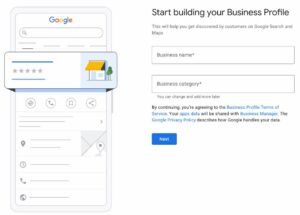
HC

Written by Heather Cumens at Lift SEO Services

Bowling Green, KY, serving healthcare and home service businesses across Kentucky and Nashville, TN.